

Ahh, planning a school year. I love planning things so I’m not gonna lie, this is fun for me! Give me a cup of coffee and some alone time (or at least some snacks and a movie for the kids in the background) and I’m a happy girl!
Why plan?
You want to plan your homeschool year because you can get stressed out having figure it all out daily or even weekly to be honest. Having some some basic plan means that you can manipulate (because, hey life!). Especially if you like not answering the questions daily, like “What do I have to do today, Mom?” (the next things works for a while, but what happens if you’re to too many breaks or field trip days and then you get to end of the middle of the second semester and instead if enjoying beautiful weather you want your kids to double up in lesson to finish before the next school year. Ok, well that can happen anyway, but having a plan , a goal, can help you to see how far you’ve come, where you are, and where you’re going.
Also, it keeps you on track and from having too many vacation days. Planning helps if your tendency is to drift. Also as the kids get older they read the schedules themselves and don’t need to ask you. If you’re sick they already know what to do, and as for longer kids who are learning its easier to say oh look you’re doing this lesson today instead of searching for it when you don’t feel well.
Refocus
Before planning your homeschool year, start by refocussing. Read (or skim) your favorite homeschool books for inspiration and write down some goals you have for your kids and try to think about how your year is going to look. One of my favorites is Teaching From Rest by Sarah Mackenzie.
It’s so easy to get caught up in what everyones doing that you’ll feel frustrated. Instead, look at your strengths and passions and share them with your children. If you are an active family, embrace it. You will still get to the other things and your kids will develop their own hobbies and strengths and you can find room for them along the way, but remember God made your family in a unique way, celebrate it! I enjoy getting outdoors with my kids and learning languages, while my husband loves drawing and music so our main focus with our kids is outdoor co-ops, learning languages and time for Art and music We still read, get active, go to museums once in a while and visit friends, but can’t make everything a priority.
Also, we change, at one point I was very excited about science and history, so that was more the focus. As my kids get older I encourage to discover the things they love and proritize their schedules.
How many calendars?
Make one for all your kids that work independently, usually 3rd grade and up (you know your kids) and then one for yourself and your younger beings. More on how I make them below.
Purchase/ Gather Curriculum
This is the time to finish getting any curriculum, books, etc… you haven’t already gotten. If you have ordered it but it hasn’t arrived, that’s ok, just print or write down how many lessons or weeks are in curriculum. Also, a list of the books you will be acquiring. You cannot plan your homeschool year well if you don’t have all your resources.
If you want any suggestions to plan your homeschool year, check out the homeschool resources I’ve chosen here.
Gathering Resources
So much to gather, but this will save you time. Even if you only want to plan your weekly calendars three weeks in advance you can take a little time to gather all your information ahead of time to make a skeleton calendar so you can know which dates are blacked out and how much your planning to get through for a semester/quarter. I can’t tell you how many times this has saved or cost when I forgot to do so.
Calendars
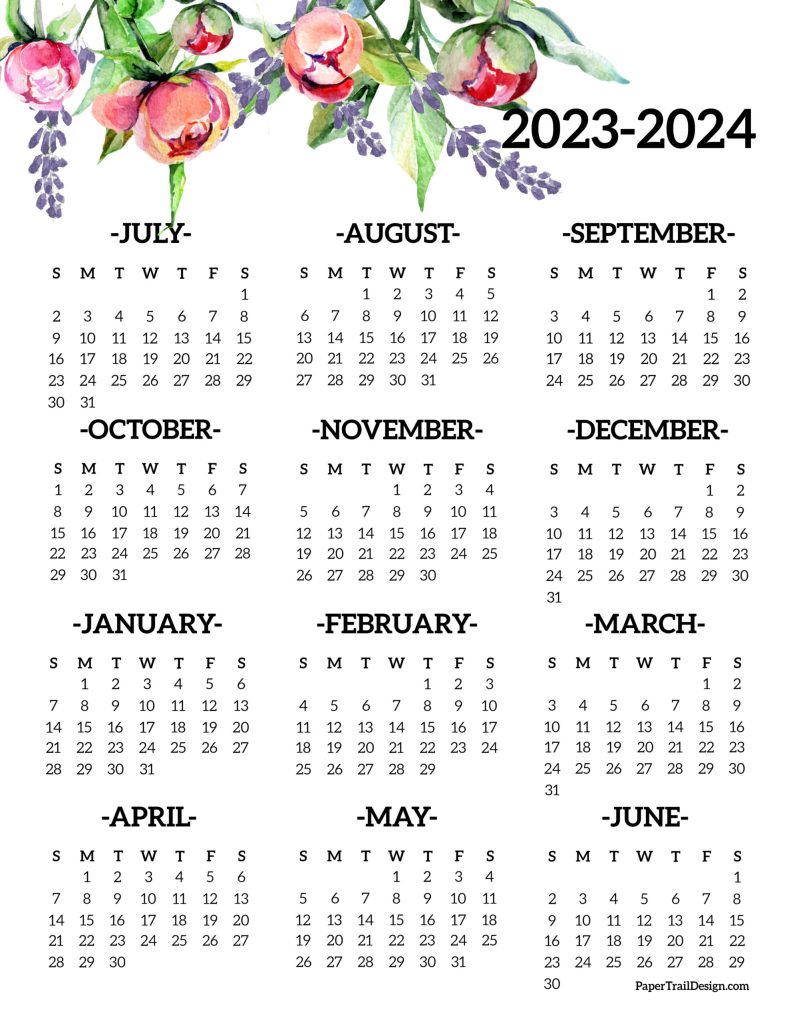
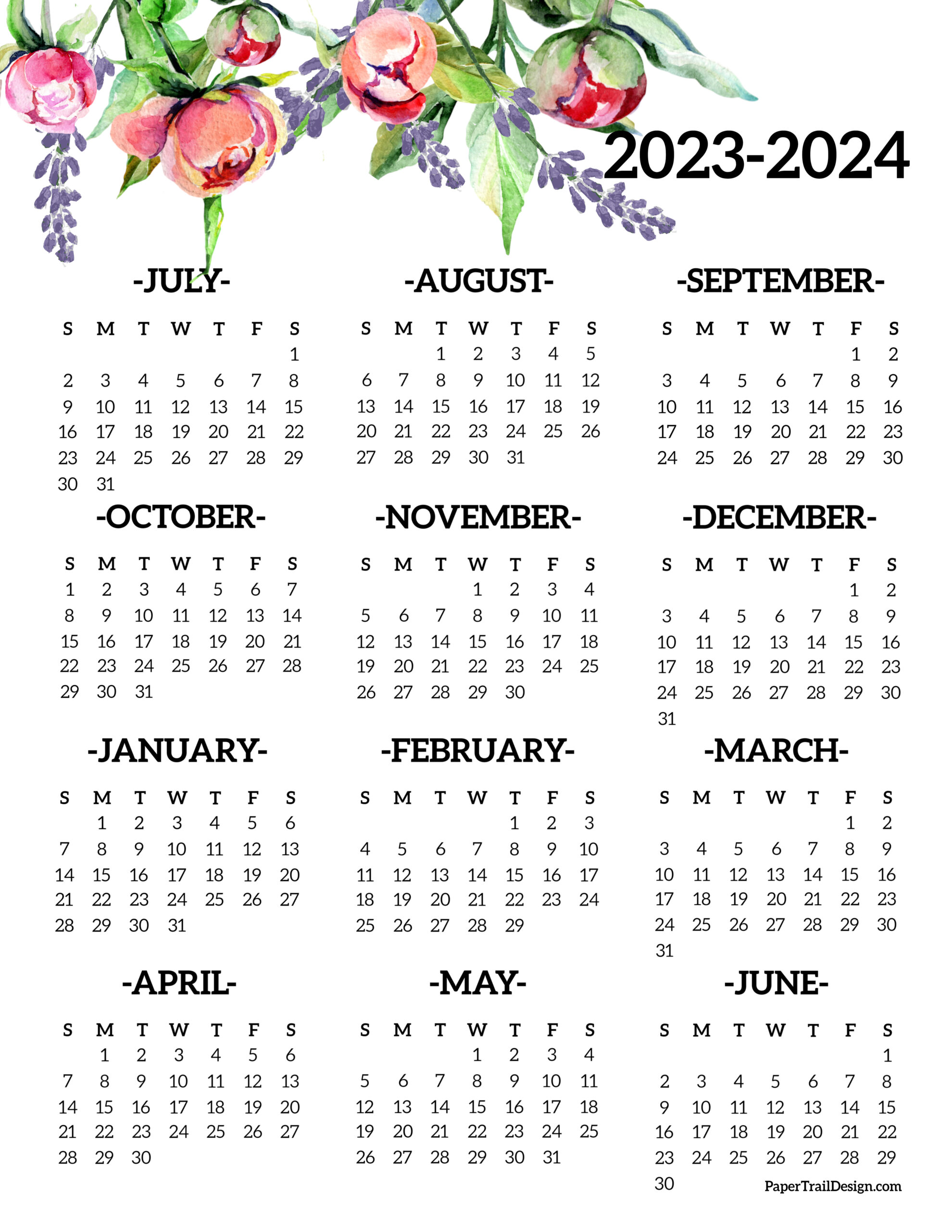
(one copy per calendar)
- Year at a glance (Here‘s a free one from PaperTrailDesign.com) So many pretty colors to choose from!
- 36 weekly calendar pages. You can buy one of those pretty books (like this one) or you can money using a basic spreadsheet like the below:

- Quarterly pages (here is one I made below). I will usually print all four quarters to have a record of what of what I’ve done and see what I’m planning. I will usually break down my morning time plans on these as well for myself.


List of Important Dates
- Co-op dates
- field trips that are planned (or the day you typically go on them)
- birthdays
- holidays
- vacation trips
- recitals/ performance dates
- family in town
- I add an extra week (or two) of miscellaneous each semester to cover all the sick days, catch up , surprise fun days etc…
Curriculum Schedules/ content
- Curriculum schedules- (All those pages in the books that tell you how weeks or lessons there are.
- books you want to read
- High School- Electives that your child will be pursing on their own (without a curriculum) requires a number of hours to count as credit (Typically 60 hours min. = 1/2 credit)
- High School- Transcript to see what you want to accomplish for high school (Here’s a link to how I make one)
Ask Yourself Some Questions?
How Much Do I Plan at a Time?
a few weeks, quarter, semester, the whole year?
Will I prefill the dates or the content or both?
While I encourage you to plan your homeschool year, I caution anyone on prefilling everything unless it’s for a shorter amount of time. Yes, I’ve done it… for the whole year… and I regretted it. It’s too much pressure. It’s not that I mind being off a couple days (or weeks), It’s just easier to manage.
This is also where the quarterly goal pages come in, they are an excellent way to gauge where you want to be without filling everything in and having to date it. More about that soon.
What kind of season am I in?
Are you having a baby soon? dealing with health issues? Having the schedule ahead of time might help you feel like you’re able to get it done or let anyone who’s helping you out know where to be. I spent a lot of time on bed rest, so having the content written out was so much easier for me to know what to do or what they should do without having to do a lot of digging or remembering all the things.
One of the reasons I like prefilling the dates when you plan your homeschool year is because it’s easier for you to see what is happening that week and you can fill in content around your schedule rather than trying to fit your day in the schedule. For example if you have a field trip that day, you can plan to do only language and math for the little ones or if you’re going to be home all day you can plan for more.
My preference is to plan out a year of dates, quarterly goals, and plan in detail a quarter at a time, so that’s what I will continue with for the rest of this post.
Year at a Glance Calendar
Remember that year at a glance calendar? Lets start with the Fall Semester:

- Print it if you haven’t already.
- Now take a pretty highlighter and highlight those important days/ weeks we listed above so you know those are off limits and mark “V” next to the full weeks to indicate vacation.
- Next find the week your last week of your fall semester and highlight it.
- Now stop! Count back 18 weeks that are “open” or whatever number you need to finish your lengthiest curriculums half way. (It’s ok if a day or two is marked off, but not more. At that point I will combine two weeks into one.) Why 18? because 9 weeks usually makes up a quarter. You can do less weeks if you have shorter curriculums or are not limited by them. In the event, you are starting late in the year, just plan to be mid-year after Christmas. This year my high school son has a 36 week science curriculum, but has a test in week 17 and then again in week 19, so we will break after week 17.
- Add a week for miscellaneous in the first nine weeks and highlight and mark with a “V.”
- Now check if you like where you are starting. (It’s usually early August for me). Remember I have a wide range of ages. I prefer to start early have more breaks and finish up early for the holiday since there is so much going on! (Also sometimes I will start older kids who have lengthier curriculums then add a little one a week later to give everyone time to adapt. That depends on your kids, you decide what’s best for your family.)
- If you are good with your starting date, begin highlighting all the weeks prior that are “open.”
- Next, go back to the end of the fall semester and write 18-1 (or less) next to those weeks to indicate school weeks.
Now for the Spring Semester:
- Take a pretty highlighter and highlight those important days/ weeks we listed above so you know those are off limits and mark “V” next to the full weeks to indicate vacation.
- Next find the week your first week of your spring semester and highlight it.
- Now stop! Count forward 18 weeks (or less) that are “open” (Its ok if a day or two is marked off, but not more. At that point I will combine two weeks into one.) Why 18? because 9 weeks usually makes up a quarter. If you have a shorter curriculum it will just provide more breaks or catch up days.
- Add a week for miscellaneous in the first nine weeks and highlight and mark with a “V.”
- Add two weeks in your last quarter for vacation, sick days, catchup, whatever you need.
- Now check if you like where you are ending. Adjust if not. I prefer to plan to finish by Memorial Day and anything that didn’t get done that is necessary can be summer school for my kids. More about how we do summer later.
- Now, fill in weeks 19-36.
Quarterly Goals
Determining your quarterly goals will make it easier when you plan your homeschool year because you can fill in your calendars each quarter with all the info you need.
- First, print all four pages if your haven’t already. High School and up need their own. For younger kids just list out under each category keeping individual subjects seperated.
- Second, determine length of curriculums.
- Lessons: For example, a curriculum that has 180 lessons, divide by four and assign that number of lessons to each quarter.
- Weekly format: For curriculums listed by week do the same. For example 34 weeks/ 4 quarters = 8.5 so I generally just do 9 weeks in the first nine weeks of the semester and 8 in the second or I look for an easy stopping point like a quarterly test, etc…
- Books: Divide into 4 piles
- Electives, decide how long you want to spend on it or how much you want to get through (number of pages, chapters, etc…)
- High School Electives that don’t have a curriculum (If planning for a half credit for the year plan for a minimum of 15 hours per quarter; 30 for a full credit)
- Fill in for all subjects (remember these are goals)
Filling in the Content
- Using the calendar at at glance fill in the dates for the first quarter.
- Next, fill in the content. If you have only 7 weeks of material for nine weeks, fill in the first seven weeks and leave the last two for catch up or sick days.
Use the dates as a goal/guideline, not a rule. It just shows you where you want to be.
If You Are Printing Your Own Planner
- First, print your calendars double sided if possible, so you can prefill the dates and assemble the pages.
- Second, assemble your pages to go into your planners. Here’s what I typically use:
- Cover Page (We’ve had the kids help decorate these at times or I will keep it basic and include their name and school year dates. For example: Eric 2023-2024)
- Year at a glance Calendar
- Fillable list for books read (here’s one I like)
- Quarterly Goals pages
- 36 fillable weeks
- notes page
- A list of materials used page
- (opt.) Grading pages (ONLY for myself)Though typically I keep these in a separate binder on the shelf along with high school transcripts and any other records needed. That way nobody, including myself accidental misplaces these.
- Third, choose to either have this bound or hold punch and put in a binder. I prefer to have them bound at an office store because the price is pretty affordable and they are much more compact for travel.

Using the Planner
Give your kids a highlighter to highlight completed assignments. For high school electives without a curriculum, have them write in what they did and how long they spent on it for their electives. You can fill in a goal amount of time for them to get their hours in above the subject week or in daily amounts. (hey can cross it out the daily and write in how much they actually got done when filling it out.)
Planning Your Next Quarter
Simply, review the last quarter and adjust accordingly:
- If your goals are too lofty (calm down people)-remember to let your kids have free time
- if you’re behind -reduce or create a plan to get back on track
- If you’re bored (who are you!?!) add more.
- You think you’re focussing in the right areas? Change.
Well thats all! Any questions on making a plan for your homeschool year? Ask them below. Also check out my morning routines for starting your homeschool years!
Leave a Reply